
6 Brilliant Benefits of Air Source Heat Pumps

More homeowners are seeking energy-efficient upgrades and changes to make to their homes. It’s a reassuring trend, as people are increasingly opting for eco-friendly heating solutions to reduce their energy and heating costs.
With gas prices remaining high and many facing the difficult choice between heating and eating, the prospect of lowering heating costs is a welcome relief. This not only ensures comfort in the colder months but also eliminates the worry of excessively high bills.
Benefits of Air Source Heat Pumps

The Boiler Upgrade Scheme is a government initiative that offers homeowners £5,000 towards the cost of replacing their existing heating system with a high-efficiency heat pump. The cost of installing an air source heat pump can be high, around £14,000, but grants can be used to pay off a significant amount towards the cost.
Over time, much like solar panels, an air source heat pump will pay for itself in the amount you save on your energy bills and the lifespan of the system compared to traditional heating systems.
But what exactly is an air source heat pump, and how does it benefit your home?
A heat pump is a renewable energy that uses outside energy to deliver heating and hot water to your home, and it’s suitable for all types of homes.
The best way to explain it is to work like a fridge freezer but in reverse. Heat pumps have an evaporator which absorbs energy from the air. This is absorbed as a refrigerated gas, which is then boiled at a low temperature.
These temperatures are compressed to usable heat and are transferred to your heating system to heat your home. But here’s the cool part (pun intended): many air source heat pumps can also work in reverse, acting as an air conditioner during the summer months. That means you get year-round comfort from a single system.
Now that you know a little bit more about air source heat pumps, let’s take a look at some of their benefits.
1. Eco Friendly

As described, air source heat pumps don’t use gas like boilers do and, therefore, are more suitable than gas and even oil boilers. Heat pumps do require electricity to run, but they are energy efficient by design, so they don’t use as much as standard heating systems.
In fact, reports suggest the electricity they use is about a quarter of the electricity used by standard boilers and heating systems. This will be even lower if you use renewable energy sources for your electricity, too.
This means that you’re still lowering your carbon footprint and reducing your reliance on the national grid for your energy, too.
2. Reduced Energy Bills

Savings can be significantly impressive if they are replaced by older-style heating systems such as an LPG boiler or electric storage heater. However, the savings aren’t as great with modern energy-efficient boilers.
There are still considerable savings to be made, although it can still be in the hundreds of pounds depending on the age and features of the boiler you are replacing.
Savings can be up to £1,420 per year, spent on the type of system you’re upgrading from.
3. Longer Lifespan
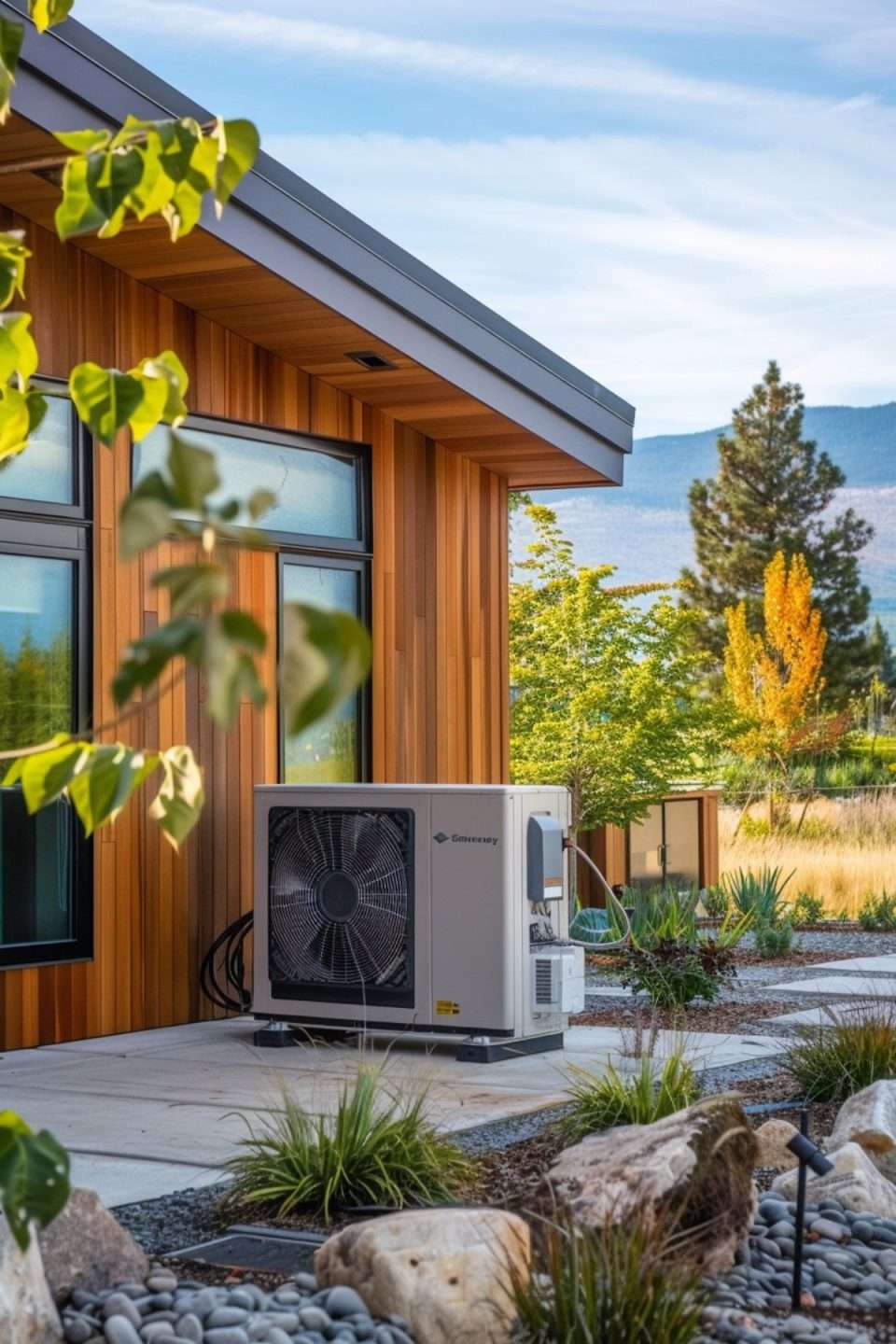
A gas boiler, on average, will last for around 10-15 years. As they age, they will succumb to use and wear and tear and might experience more frequent breakdowns and use more energy to heat the home.
Even if it is well maintained, it won’t give you much more time than this.
Heat pumps, on the other hand, when properly maintained, can last you around 20 years; some units can last for up to 25 years with the proper care and maintenance, which means you get to have a longer period between replacing them.
Heat pumps are known for their durability and reliability. They require less maintenance than traditional heating systems, and many come with long warranties for added peace of mind.
4. Easier Installation
Installing air source heat pumps is a straightforward process, especially if you’re renovating or moving into a new property. The work is carried out above ground, making it a relatively painless and fuss-free experience.
Unlike ground-source heat pumps (which require digging up your garden), air source heat pumps only need an outdoor unit and some indoor components. This makes installation quicker and less disruptive.
The outdoor unit is compact and can be installed in a variety of locations, making it a great option for homes with limited space.
While it’s not a DIY job and requires professional installation, booking an air source heat pump installation is a simple step towards a more efficient heating system that will be up and running in no time.
5. Quiet Operation: Peace and Quiet
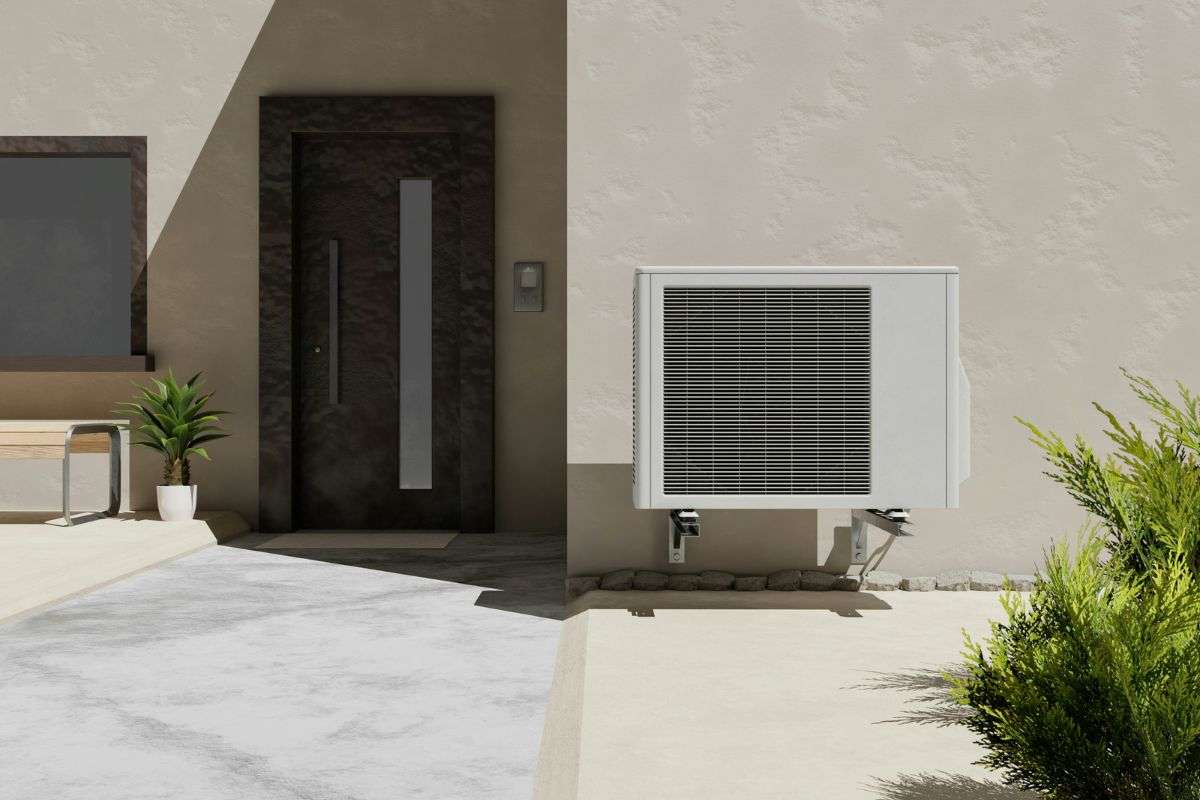
If you’re worried about noise, don’t be. Modern air source heat pumps are designed to operate quietly, so you won’t even notice they’re there.
- Low decibel levels: Many heat pumps produce noise levels similar to a refrigerator, making them much quieter than traditional heating systems or air conditioners.
- Outdoor placement: Since the noisiest part of the system (the compressor) is located outside, you won’t have to deal with any disruptive sounds inside your home.
6. Improved Air Quality: Breathe Easy

Air source heat pumps can also contribute to better indoor air quality.
- No combustion: Because heat pumps don’t burn fuel, there’s no risk of carbon monoxide leaks or other combustion-related pollutants.
- Air filtration: Many heat pumps come with built-in air filters that can remove dust, allergens, and other particles from the air, making your home a healthier place to live.
Things to Consider
While air source heat pumps offer a lot of benefits, there are a few things to keep in mind:
- Upfront cost: The initial installation cost can be higher than traditional heating systems, though this is often offset by long-term savings and government incentives.
- Climate suitability: While modern heat pumps work well in most climates, they may require a backup heating system in extremely cold regions.
- Space requirements: You’ll need some outdoor space for the unit, though it’s relatively compact.
Air source heat pumps are a more efficient way of heating your home. While the initial cost can be considerable, the benefits of post-installation can help you save money on your bills, reduce your carbon footprint, and reduce your reliance on energy suppliers.
It is important to do your research and talk to installation experts to ascertain what the specific benefits will be for your household and what you can expect when replacing your system with an air-source heat pump.
But if you are looking for more eco-friendly ways to heat your home, this could be the perfect choice for you.
Disclosure: Some of the links above are affiliate links, meaning that at no additional cost to you, I will receive a very small commission if you click through and make a purchase. These links help to pay the editorial costs of writing a blog. For more information, please read my full affiliate disclosure here.
I also use Artificial Intelligence Image generators to create some of my images. These are to show you examples of my ideas and inspiration when I cannot produce the real images myself.


