
10 Warning Signs Your Boiler Needs Professional Attention

Your boiler is basically the unsung hero of your home, working away quietly in the background to keep you warm and provide hot water. But like any hardworking appliance, it can start showing signs of wear and tear, and ignoring these warning signs can lead to some pretty expensive (and chilly!) consequences.
Many homeowners ignore subtle signs that their boiler is struggling, leading to costly breakdowns during the coldest months.
Signs Your Boiler Needs Professional Attention
Let’s take a look at the key warning signs that your boiler is trying to tell you it needs some professional TLC. Trust me, catching these early can save you from a lot of headaches down the road!
1. Strange Noises That Go Bump (and Bang!) in the Night

Let’s start with something you’ve probably noticed: weird noises coming from your boiler. Now, boilers aren’t completely silent machines, but they shouldn’t sound like they’re hosting a percussion concert either!
If you’re hearing banging, clanking, whistling, or gurgling sounds, that’s definitely your boiler’s way of crying for help. Banging noises often indicate something called “kettling,” which happens when limescale builds up and causes water to overheat and steam.
Whistling sounds might mean there’s air trapped in the system, while gurgling could suggest a blockage or pump problem.
The key thing to remember is that these noises usually get worse over time, not better. So if your boiler is starting to sound like it’s having a conversation with itself, it’s time to call in the professional boiler services in Wimbledon!
2. Your Energy Bills Are Through the Roof

Has your energy bill made you do a double-take lately? If your heating costs are creeping up despite your usage staying roughly the same, your boiler might be working way harder than it should to heat your home.
An inefficient boiler is like a car with a clogged air filter, it uses more fuel to do the same job. This could be due to aging components, dirty heat exchangers, or a system that just needs a good service.
While energy prices do fluctuate, a sudden or gradual increase in your bills often points to boiler efficiency issues.
Keep an eye on your monthly bills and compare them to the same period last year. If there’s a significant difference that can’t be explained by usage or price changes, your boiler might be the culprit.
3. Inconsistent Water Temperature (The Shower Surprise!)

We’ve all been there. You’re enjoying a lovely hot shower when suddenly you’re hit with a blast of cold water! While this might happen occasionally in any home, frequent temperature fluctuations are a clear sign that something’s not right.
If your hot water is playing hard to get, running out quickly, or taking ages to heat up, your boiler’s struggling to do its job properly. This could be due to a faulty thermostat, issues with the heat exchanger, or problems with the hot water cylinder.
Consistent water temperature is something we all take for granted until it’s gone, so don’t ignore those surprise cold showers; they’re trying to tell you something!
4. Visible Water Leaks Around Your Boiler
This one’s pretty obvious but super important. If you see water pooling around your boiler, that’s definitely not normal! Even small drips can indicate bigger problems brewing.
Leaks can come from various places: the pressure relief valve, pump seals, pipe connections, or even the boiler casing itself. While a tiny drip might seem harmless, water and electrical components don’t play nicely together, and even small leaks can cause significant damage over time.
Plus, if water is leaking out, that means your boiler’s pressure might be dropping, which affects its ability to heat your home efficiently. Any visible water around your boiler area should prompt an immediate call to a professional.
5. The Pilot Light Keeps Going Out or Looks Wrong

If you have an older boiler with a pilot light, this little flame is crucial for your boiler’s operation. A healthy pilot light should burn a clear blue color and stay consistently lit.
If your pilot light keeps going out, burns yellow or orange instead of blue, or seems to dance around more than usual, there could be several issues at play. This might indicate problems with the gas supply, ventilation issues, or a faulty thermocouple.
A yellow or orange flame is particularly concerning as it could suggest incomplete combustion, which can lead to carbon monoxide production. Definitely not something you want to mess around with!
6. Unpleasant Smells That Shouldn’t Be There
Your boiler area should smell pretty neutral, so any unusual odors are worth investigating immediately. Different smells can indicate different problems:
- A metallic smell might suggest overheating components or electrical issues.
- A rotten egg smell could indicate a gas leak (this is actually an added scent to help detect leaks, as natural gas is naturally odorless).
- Any chemical or burning smells are also red flags.
If you smell gas, don’t ignore it. Turn off your gas supply if you know how, open windows for ventilation, avoid using electrical switches, and call a gas emergency service immediately.
Other persistent, unusual smells should prompt a call to a heating professional.
7. Your Home Takes Forever to Heat Up

Remember when your home used to warm up quickly on cold mornings? If it’s now taking much longer to reach a comfortable temperature, or some rooms never seem to get properly warm, your boiler might be losing its efficiency.
This could be due to various issues: declining boiler performance, problems with your heating system circulation, or issues with radiators not heating properly. Sometimes it’s as simple as bleeding your radiators, but persistent heating problems often indicate issues.
Pay attention to how long it takes your home to warm up and whether all areas heat evenly. Your boiler should be able to maintain consistent temperatures throughout your home without running constantly.
8. Frequent Pressure Loss
Modern boilers have pressure gauges, and keeping an eye on this little dial can tell you a lot about your system’s health. The pressure should typically sit between 1 and 2 bar when the system is cold.
If you find yourself frequently having to top up the pressure, there’s likely a leak somewhere in the system. While occasional pressure drops can be normal (especially in older systems), frequent pressure loss suggests a more serious issue that needs professional attention.
Low pressure means your boiler can’t circulate hot water effectively around your home, leading to poor heating performance and potential damage to the boiler itself.
9. Visible Corrosion or Rust
Take a look around your boiler and the surrounding pipes. If you notice rust, corrosion, or any signs of wear on the boiler casing or connected pipework, this could indicate several problems.
Rust around the boiler often suggests water leaks (even tiny ones that might not be immediately visible). Corrosion on pipes or the boiler itself can lead to failures and leaks. These visible signs of aging often indicate that internal components might also be deteriorating.
While some surface corrosion on older systems might be expected, significant rust or corrosion, especially around joints and connections, should be evaluated by a professional.
10. Age and Lack of Regular Servicing
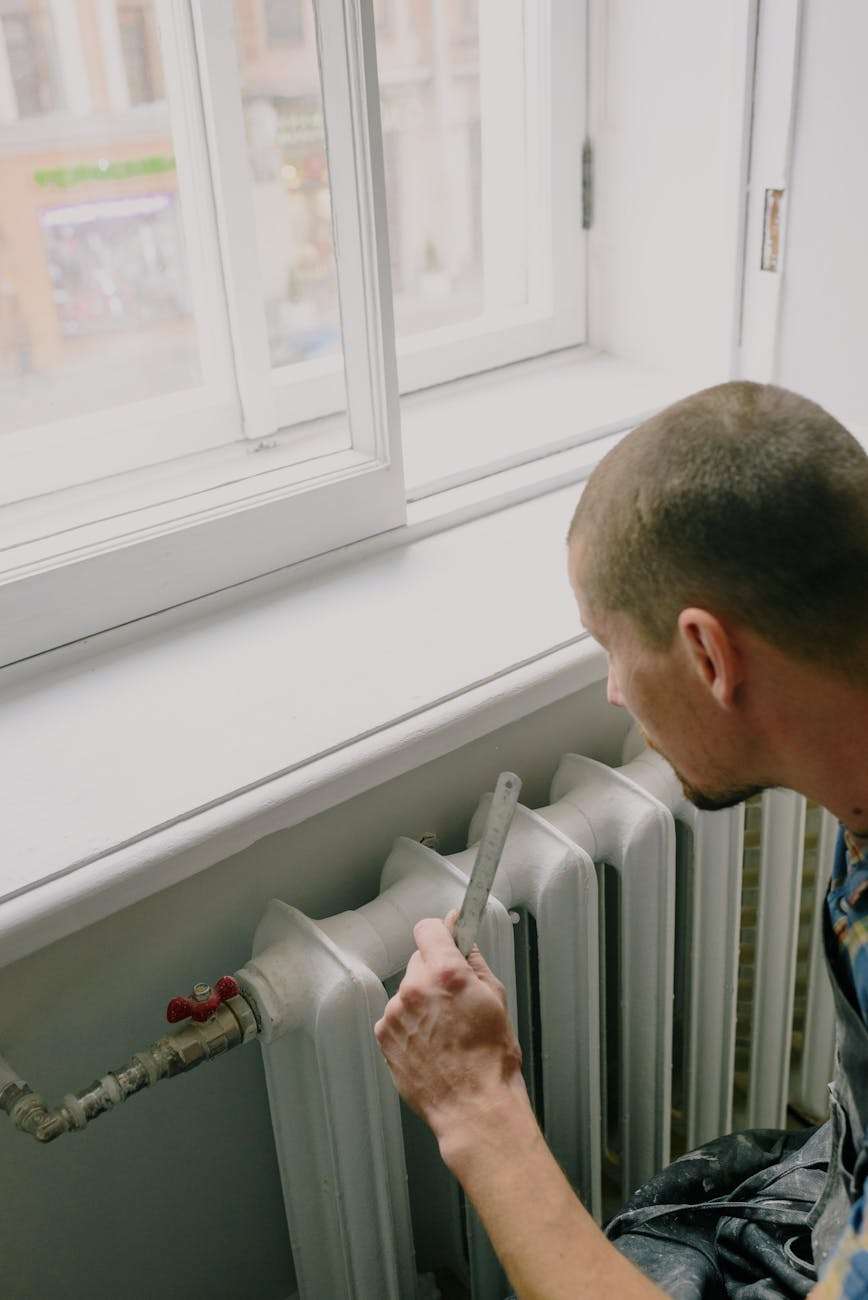
Here’s a big one that many homeowners overlook. When was your boiler last serviced? If you can’t remember, or if it’s been more than a year, that’s a warning sign in itself!
Regular annual servicing isn’t just recommended; it’s essential for safe, efficient operation. During a service, a professional can spot potential issues before they become expensive problems, clean important components, and ensure everything’s working safely.
If your boiler is over 10-15 years old and hasn’t been regularly maintained, it’s definitely time for professional attention. Older boilers are more prone to problems and often become increasingly inefficient over time.
What to Do When You Spot These Signs
If you’ve recognized any of these warning signs, don’t panic! The important thing is to take action sooner rather than later. Here’s what you should do:
For immediate safety concerns (gas smells, carbon monoxide detector alarms, or major leaks), contact emergency services or your gas supplier’s emergency line right away.
For other issues, contact a qualified heating engineer or a Gas Safe registered professional. Don’t attempt DIY repairs on gas appliances – this is definitely a job for the professionals!
Keep a record of any issues you’ve noticed, including when they started and how frequently they occur. This information will help the engineer diagnose the problem more quickly.
Your boiler works hard to keep you comfortable, so it deserves some attention in return! By staying alert to these warning signs and acting on them promptly, you can avoid unexpected breakdowns, expensive emergency repairs, and those dreaded cold showers.
Remember, regular maintenance is always cheaper than emergency repairs, and a well-maintained boiler will serve you reliably for years to come.
Disclosure: Some of the links above are affiliate links, meaning that at no additional cost to you, I will receive a very small commission if you click through and make a purchase. These links help to pay the editorial costs of writing a blog. For more information, please read my full affiliate disclosure here.
I also use Artificial Intelligence Image generators to create some of my images. These are to show you examples of my ideas and inspiration when I cannot produce the real images myself.


