
5 Stylish Ways to Enhance Your Home’s Functionality

Creating a home that is both functional and stylish is a balancing act that many homeowners strive to achieve. While practicality is essential for everyday living, it doesn’t mean you have to compromise on aesthetics.
With thoughtful design choices, you can create a space that works efficiently and enhance your home’s functionality while reflecting your personal taste.
Enhance Your Home’s Functionality
Creating a space that is as functional as it is stylish can seem like a daunting task, but fear not. With a little bit of creativity and a splash of inspiration, you can transform any room into a practical yet chic sanctuary.
Here are five ways to make your home functional without sacrificing style.
1. Incorporate Stylish and Practical Window Treatments

Window treatments are a vital part of home design, offering privacy, light control, and insulation. At the same time, they can elevate the overall aesthetic of a room.
One option that strikes the perfect balance between function and style is blinds, which come in a variety of materials, colors, and patterns to suit any décor. They are not only versatile but also allow you to adjust the amount of natural light entering a space, creating the perfect ambiance.

Wooden shutters add warmth and texture to a room, while sleek aluminum options offer a modern and minimalist look. Motorized versions are a practical upgrade that enhances convenience by allowing you to control them remotely.
When selecting shutters, consider factors like durability and ease of maintenance. Opt for high-quality materials that withstand wear and tear while complementing your design scheme.
By choosing the right window treatments, you can enhance both the functionality and visual appeal of your home.
2. Invest in Multi-Functional Furniture

Incorporating multi-functional furniture is a clever way to maximize space and utility without compromising on style. Pieces that serve dual purposes, such as a sofa bed, ottoman with hidden storage, or a dining table that doubles as a workspace, are perfect for smaller homes or rooms with multiple uses.
For example, a storage bench placed in an entryway can provide seating while offering a discreet place to store shoes or bags. Similarly, a coffee table with lift-top storage can hold books, remotes, or blankets, keeping the area tidy while maintaining an elegant appearance.
When selecting multi-functional furniture, prioritize pieces with clean lines and timeless designs. This ensures that they blend seamlessly with your décor and remain visually appealing, even as trends evolve.
3. Use Open Shelving for Storage and Display

Storage is essential for keeping a home organized, but it doesn’t have to detract from your style. Open shelving is a practical and visually appealing solution that allows you to showcase your favorite items while keeping essentials within reach.
In the kitchen, open shelves can be used to display attractive dinnerware or jars filled with spices, creating a welcoming and functional space. In the living room, they can hold books, decorative objects, or potted plants, adding personality and character to the room.
The key is to strike a balance between storage and décor, ensuring that the shelves don’t become cluttered.
4. Optimize Lighting for Ambiance and Functionality

Lighting plays a crucial role in the functionality and style of a home. A well-lit space not only enhances visibility but also sets the mood and highlights key design elements.
To achieve a harmonious balance, incorporate a mix of ambient, task, and accent lighting.
Pendant lights or chandeliers make stunning focal points while providing general illumination. For task lighting, consider under-cabinet lights in the kitchen or adjustable desk lamps in a home office.
Accent lighting, such as wall sconces or LED strips, can be used to highlight artwork, architectural features, or shelving.
5. Creating Zones
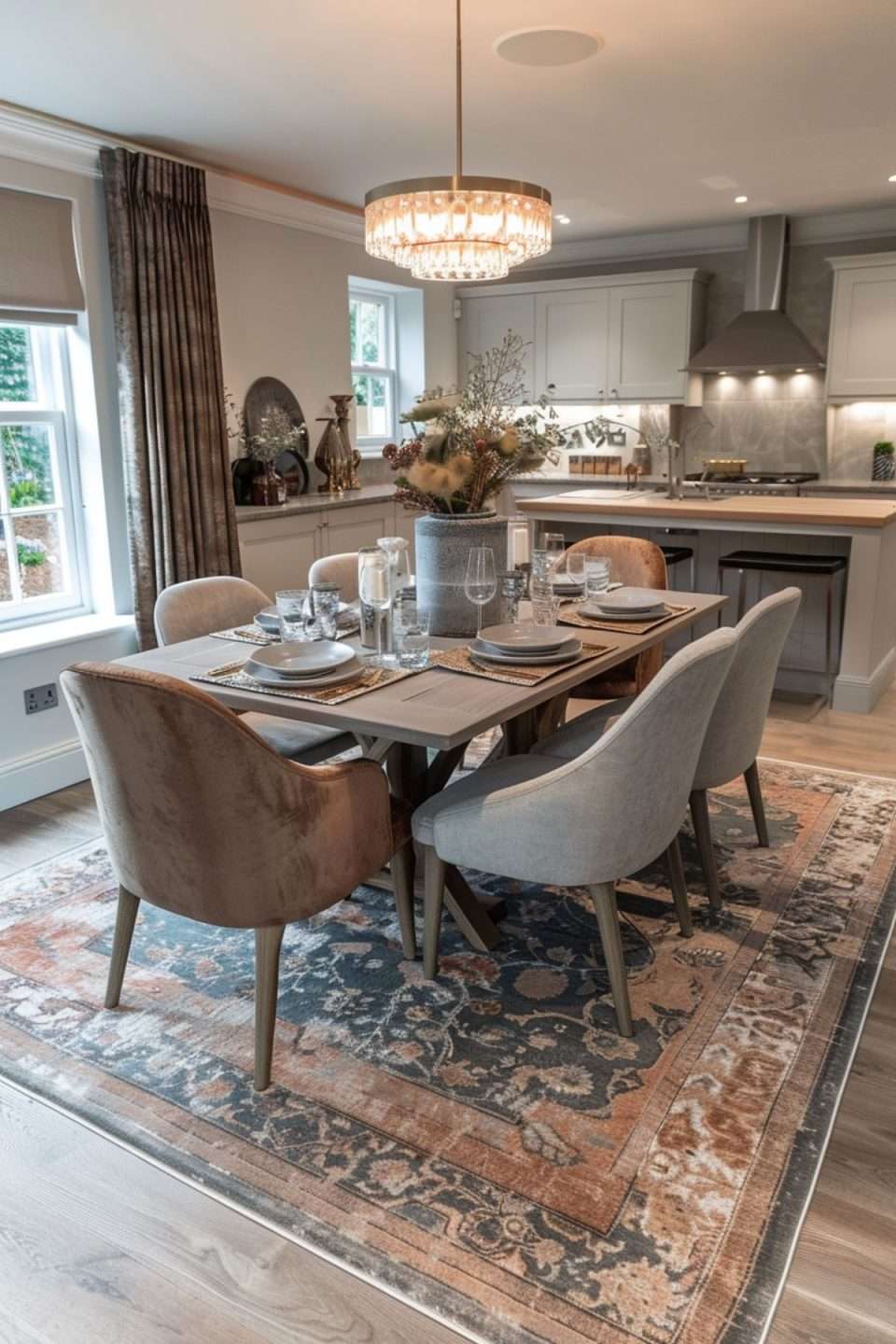
Creating dedicated zones helps maximize the utility of a space, especially in open-concept designs.
- Rugs as Dividers: A strategically placed rug can delineate different areas of a room without the need for physical dividers, keeping the space open while subtly suggesting where the living room ends and the dining area begins.
- Furniture Arrangement: Don’t just line furniture along each wall. Consider floating a sofa as a divider between areas, or use a bookcase that doubles as both storage and a room separator.
- Color Coding: Use color to mark different zones. Different shades or accents can create a distinction between areas like the work space and chill-out zone.
Remember, there’s no one right way to do this. The most important thing is your home reflects you, your passions, preferences, and quirks. So don’t be afraid to put your spin on these ideas.
Here’s to creating spaces that not only look amazing but work hard for you too.
Disclosure: Some of the links above are affiliate links, meaning that at no additional cost to you, I will receive a very small commission if you click through and make a purchase. These links help to pay the editorial costs of writing a blog. For more information, please read my full affiliate disclosure here.
I also use Artificial Intelligence Image generators to create some of my images. These are to show you examples of my ideas and inspiration when I cannot produce the real images myself.


