
What are the Essentials for Home Heating Systems

Cold air often pools near tiled floors and hallway corners, especially in older Inner West homes. You notice it during early mornings, when the house stays quiet, and your breath looks faint.
Those chilly pockets show where heat escapes, and they show which rooms need attention first.
Many Sydney renovations add new appliances first, without checking switchboard capacity and circuit protection limits. Licensed electricians who provide electrical services can confirm loads and protections early, before any heater is connected.
They can also verify compliant connections, so new circuits do not stress older wiring in winter.
Essentials for Home Heating Systems
Whether you’re a new homeowner trying to figure out what you’ve actually got in your basement, or you’re just trying to be more informed about this major appliance that keeps you from freezing all winter, understanding the essentials of home heating is actually pretty important.
Match The Heat Source To How You Use Each Room
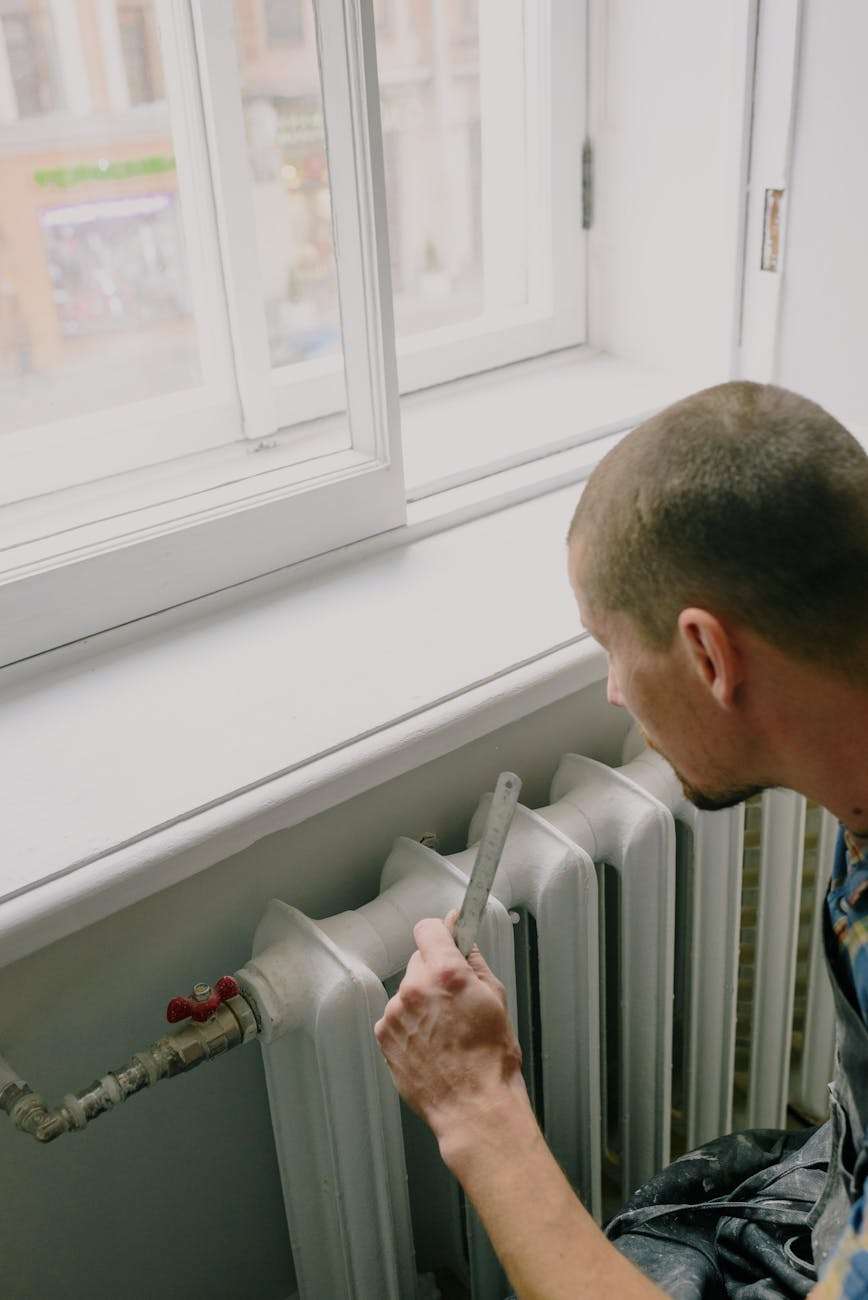
Begin with a room list, then note how many hours each space is used on weekdays. This keeps your heating system plan tied to real habits, rather than showroom claims about comfort. A guest room used monthly rarely needs the same heating system as a family living area.
Reverse cycle air conditioning suits many Sydney homes because it delivers heating and cooling from one unit. It performs best when doors close well, and air paths stay clear of bulky furniture.
In open layouts, warm air drifts into unused areas, so the heating system may run longer than expected.
Hydronic panels and electric panel heaters can feel steady because they warm nearby surfaces and the surrounding air. They suit bedrooms and studies where quiet matters, and where strong airflow feels uncomfortable at night.
Running cost depends on tariffs, insulation, and how often the heater stays at higher output.
Portable heaters can help during short bursts, but they are not a strong long-term plan. Many portable units draw high current, which can stress older circuits and worn power points quickly.
Treat them as temporary support while you plan fixed heating and resolve electrical limits safely.
Size The Heating System Using Insulation And Air Leaks

Heating output matters, but the building envelope often decides whether rooms feel stable each evening. If warm air leaks through gaps, the heater must run longer each evening to compensate. That extra run time raises bills, and it still leaves some corners cold after sunset.
Ask for a heat load estimate that considers ceiling height, glazing area, and likely air leakage. This assessment should also flag blocked vents, poor return paths, and rooms that trap heat.
In apartments, shared walls can reduce heat loss, while exposed corners may need more output.
Before you spend on larger equipment, fix the easy heat losses that repeat every winter night. Add door seals, close unused vents, and hang close-fitting curtains that reduce drafts near windows.
Roof insulation and wall gaps also matter, because heat often escapes through large surface areas.
The Australian Government heating and cooling guide explains efficient operation and sizing basics for household systems. It notes the value of choosing an efficient model, then using settings that suit your climate zone.
Zoning becomes more useful after sealing, because you can focus warmth where people spend time. Close internal doors, keep return air paths clear, and avoid blocking floor vents with rugs.
Even simple zoning habits can shorten run time and reduce temperature swings across bedrooms and living areas.
Choose Controls That Support Simple Daily Habits

Controls decide when the heating system starts, stops, and holds temperature, so they shape comfort and cost. If the settings feel confusing, people override them, then forget to reset the schedule later.
Over a month, small overrides can add many extra hours of heating and higher costs.
A programmable thermostat can warm bedrooms before waking, then reduce output during work hours each weekday. Timers also fit bathrooms, where warmth helps for predictable morning and evening routines each day.
For split heating and cooling systems, confirm the sensor location is not near a draft or direct sun.
Smart controls can help households with changing schedules, but they only work with good zoning. If people come and go, geofencing can stop heating an empty home for long stretches.
If you host often, a short boost mode can warm spaces without rewriting weekday settings.
Keep the setup simple, and write down your baseline settings before changing apps or remotes. Mark which rooms are zoned together, and label any wall controllers so guests can use them.
That small step cuts confusion, supports steadier comfort, and keeps controls usable across different household routines.
Use control features only where they suit your layout and your routines, then keep the setup simple.
- Timers that follow workdays, so the heating system runs less while the house sits empty daily.
- Room sensors that reduce overheating, which helps bedrooms with sun exposure and weaker insulation upstairs.
- Zoning that limits heating to occupied areas, which suits open plan living with doors that close well.
- A guest mode that protects your schedule, so visitors do not rewrite settings across several zones.
Confirm Electrical Capacity And Installation Details Early

Electric heating loads can be larger than expected, especially with ovens, dryers, chargers, and cooking running together. Underfloor heating, towel rails, and larger split systems may require new circuits and upgraded protection.
A switchboard review confirms what you can add, without stressing older wiring or shared neutral paths.
Ask a licensed electrician to check spare capacity, cable condition, and safety switch coverage for wet areas. In older homes, they may also recommend clearer labelling and better separation of high-load circuits.
The Your Home passive heating guidance explains how sun access and thermal mass can reduce heater run time.
Plan installation details that protect performance and make later servicing easier for any qualified technician. Keep outdoor units clear of plants, and allow space for service access around indoor panels.
Confirm all wall and roof penetrations are sealed, because small gaps leak warm air and invite moisture.
Set realistic temperature targets, then use doors and curtains to keep warmth where you need it. Many households find that small changes in setpoints reduce costs without lowering comfort too much.
Pair that habit with regular filter cleaning, so airflow stays steady through the colder months, too.
After installation, plan light maintenance and a quick check routine that you repeat each month. Clean filters and vents, and listen for new noises that signal airflow problems or loose parts. Keep a simple habit log for cold spots, then adjust one setting at a time.
A heating system works best when the heat source, sizing, controls, and electrical supply match your rooms. Start with usage notes and insulation fixes, then confirm switchboard capacity and compliant installation details.
That sequence keeps comfort steady, and it limits expensive corrections after the equipment is installed and wired.
Disclosure: Some of the links above are affiliate links, meaning that at no additional cost to you, I will receive a very small commission if you click through and make a purchase. These links help to pay the editorial costs of writing a blog. For more information, please read my full affiliate disclosure here.
I also use Artificial Intelligence Image generators to create some of my images. These are to show you examples of my ideas and inspiration when I cannot produce the real images myself.


