
How to Choose Dining Room Lighting That Makes a Statement
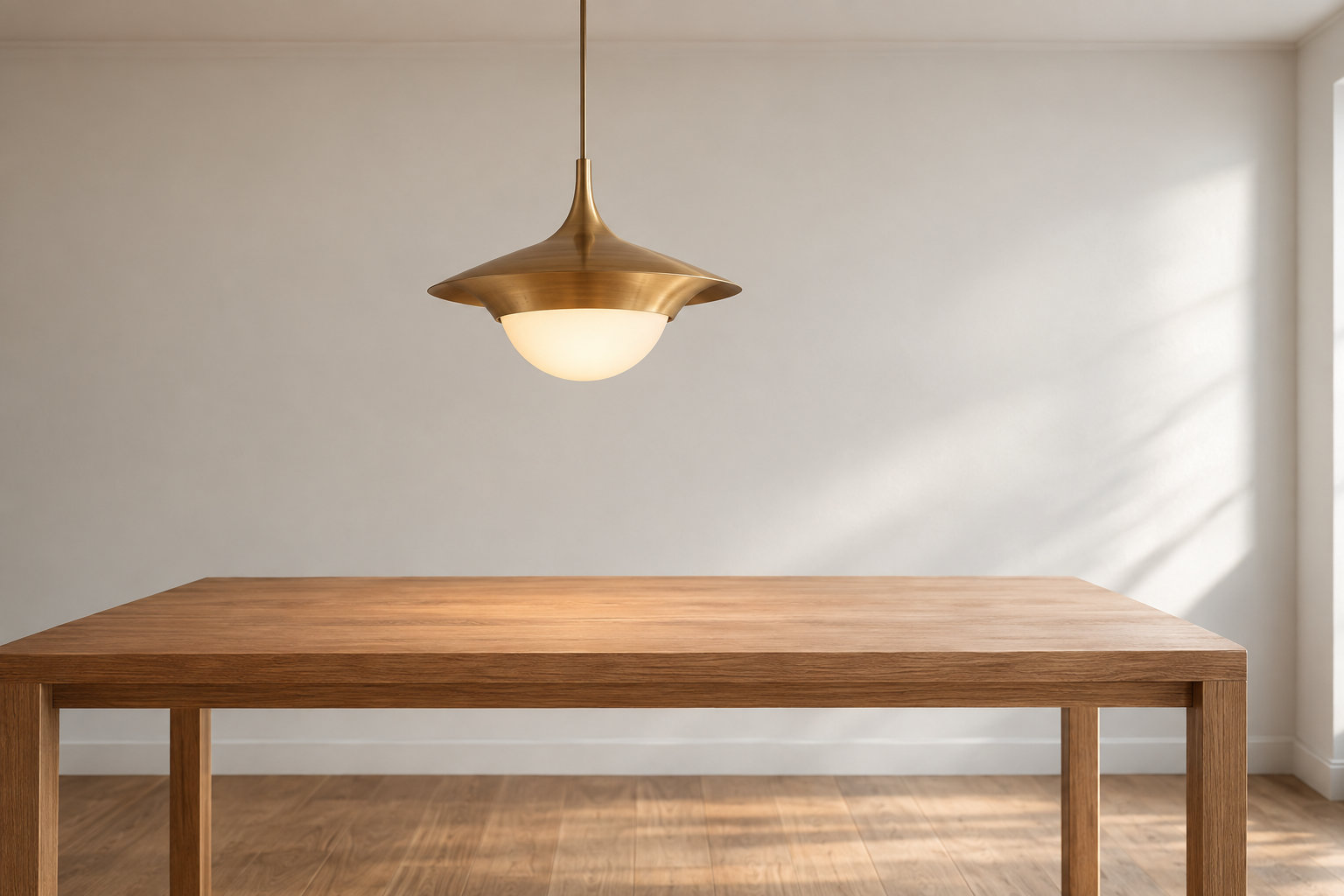
The right dining room lighting can transform a dining area into a focal point of the home, merging practical needs with visual impact. Statement lighting not only shapes ambience for daily meals but also sets the scene for special gatherings.
Understanding the interplay between function and style is vital when selecting fixtures for this space.
Lighting plays a defining role in the dining room, influencing not just visibility but the atmosphere for shared meals and memorable occasions. The central fixture often serves as a visual anchor, offering a chance to reflect your interior style and enhance the room’s design.
How to Choose Dining Room Lighting

With many options on the market, making informed choices is essential to balance aesthetics with usability. The process of selecting designer dining room lighting involves considering scale, layout, style, and layered illumination to ensure a cohesive and welcoming space.
Consider Proportions, Table Shape, and Ceiling Height

The starting point for choosing an impactful dining room fixture is to analyse the table’s size and shape. A round or square table typically suits a single statement pendant or chandelier, while long rectangular tables may require an elongated fixture or multiple pendants to distribute light evenly.
Ceiling height is equally influential, as lower ceilings often call for flush-mount or semi-flush options that provide presence without overwhelming the room. In contrast, high ceilings can accommodate bold, suspended designs that draw the eye upward and add drama.
Assess the distance between the tabletop and fixture to avoid glare or excessive bulk at eye level, ensuring comfort for all diners.
In open-plan settings, lighting helps to visually delineate the dining area from adjoining spaces. A distinctive overhead piece can define the zone, providing a sense of intimacy and focus amid a larger floorplan.
Balancing Style Impact with Functional Illumination

Striking dining room fixtures often rely on their silhouette, but practical illumination ensures the space is genuinely usable. It is important to balance atmospheric glow with sufficient brightness for tasks such as dining or reading menus at the table.
Consider lighting designs that offer glare control, such as diffusers, glass shades, or fabric elements that soften output. Bulb selection also matters, as warm colour temperatures create a welcoming environment, while cool lighting can feel harsh in this context.
In many settings, adding dimmer switches allows for adaptable control, supporting everything from family breakfasts to evening dinners with friends.
Collections from Visual Comfort can suit this balance, combining distinctive design with adjustable light quality. This approach supports both aesthetic goals and the practical needs of daily living.
Selecting Fixture Styles to Complement Décor Plans

Lighting fixtures should act as an extension of the room’s overall design direction, echoing or purposefully contrasting with surrounding elements. Whether your scheme is modern, transitional, traditional, or minimalist, the fixture should support the intended atmosphere without overpowering the existing palette.
Choosing materials and finishes that tie into furniture, hardware, or artwork can bring cohesion to the dining space.
Metals, ceramics, or hand-applied finishes communicate different moods. Brass and bronze offer warmth, while matte black or polished nickel can emphasise contemporary lines.
Deciding whether to coordinate or mix finishes depends on the desired level of contrast and visual interest. Strong silhouettes and considered details make a statement, but subtle coordination with other design elements helps avoid visual clashes.
Select pieces that elevate the room while remaining in harmony with the broader interior concept.
Placement Techniques and the Importance of Layering

Correct placement of the main fixture prevents common pitfalls and optimises comfort for diners. Always centre the light over the dining table rather than the geometric middle of the room, ensuring symmetrical illumination for the seating area itself.
The hanging height is crucial, and 30 to 36 inches above the tabletop is generally recommended for suspended fixtures, preserving sightlines and preventing glare. For particularly long or expansive tables, consider two or three matching pendants in line, rather than a single oversized chandelier, to distribute light more evenly and add rhythm.
Layered lighting further enhances the dining environment, introducing accents through wall sconces or nearby lamps. This approach creates depth, enabling you to vary intensity and adapt the atmosphere for everything from everyday meals to festive occasions.
Subtle ambient lighting prevents the centrepiece from feeling harsh, ensuring a balanced and inviting room.
Checklist and Reference Points for Unique Results

A range of designer lighting collections illustrates how varying silhouettes, materials, and finishes suit different approaches to statement-making dining spaces. A well-curated selection demonstrates how proportion, brightness, and layering contribute to a refined look, without dominating or diminishing the overall scheme.
As you make your selection, use a practical checklist: confirm the fixture’s relation to table scale, ceiling height, and sightlines. Prioritise versatility through lighting controls, align styles and finishes with your existing décor, and consider supplemental illumination to complete the scene.
This process ensures the dining room remains both functional and visually memorable.
Disclosure: Some of the links above are affiliate links, meaning that at no additional cost to you, I will receive a very small commission if you click through and make a purchase. These links help to pay the editorial costs of writing a blog. For more information, please read my full affiliate disclosure here.
I also use Artificial Intelligence Image generators to create some of my images. These are to show you examples of my ideas and inspiration when I cannot produce the real images myself.


