
4 Science-Backed Interior Design Strategies to Try This Season

Our home influences more than just how it looks. The right design choices can shape how you feel, think, and even how well you sleep. In fact, for many individuals, home decoration acts as a form of therapy.
If you are serious about interior design and looking for proven ways to improve the appearance of your living space, this article is for you. As we all know, interior design is a delicate balance of art and science.
Interior Design Strategies
Here are the top scientifically-backed interior design techniques to help you create a space that enhances your well-being and boosts your everyday experience.
1. Rule of Thirds
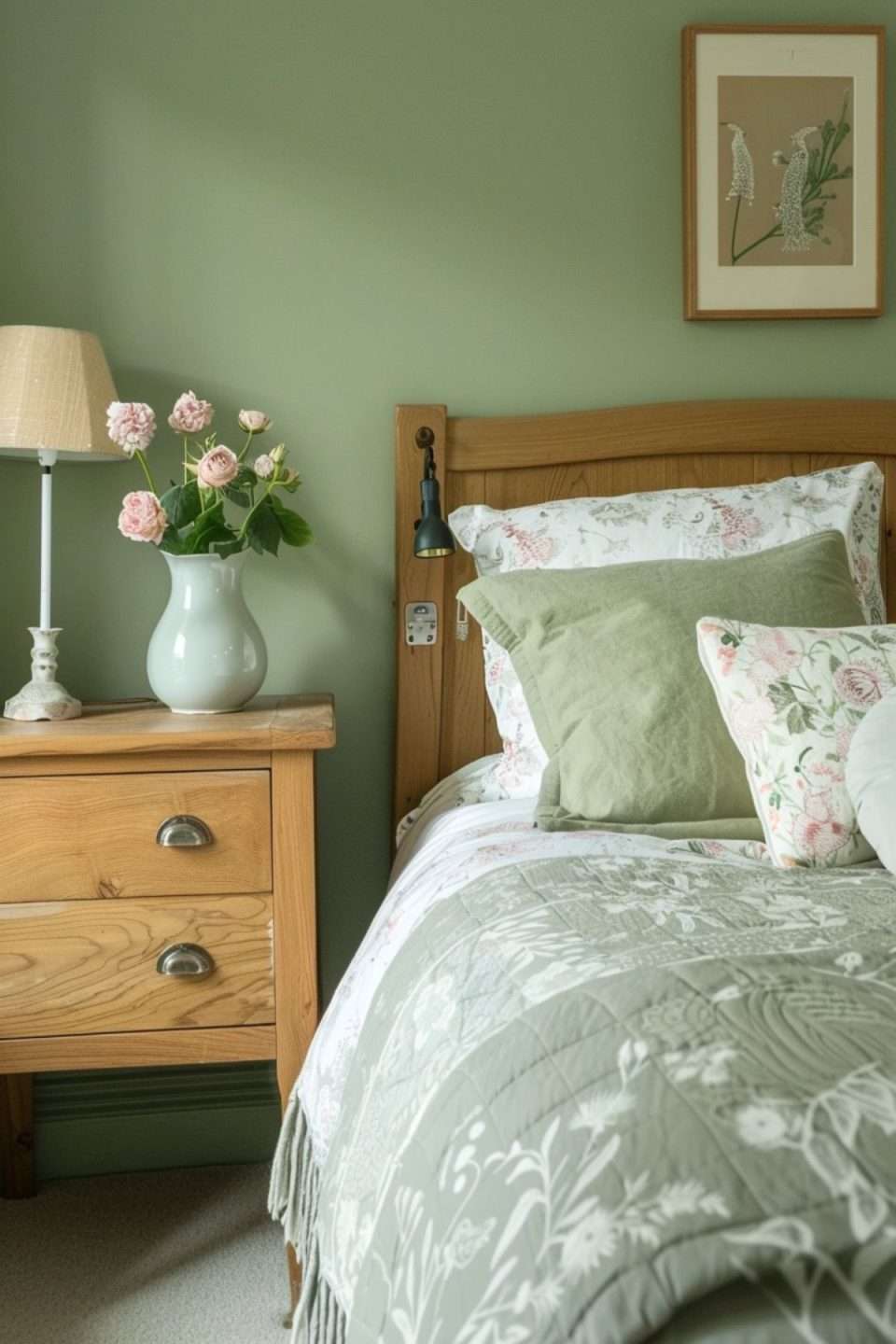
The rule of thirds is a principle borrowed from photography and visual arts. It requires you to divide a space into a 3×3 grid, creating nine equal sections.
Basically, you have to place the key elements of your room at the intersection points to create lots of visual interest without overwhelming the space. You can extrapolate the same technique to build natural focal points around the house without hindering the flow.

For instance, in the living room, you might position the sofa along one grid line, place a coffee table at an intersection, and hang artwork near another point. This arrangement draws attention to key features while keeping the space dynamic.
In a bedroom, you can apply the same approach by positioning the bed off-center, leaving room on either side for lamps or décor. Consider arranging your bookshelves or artwork using the grid to make sure the elements don’t feel stacked or too symmetrical.
By using the rule of thirds in interior design, you can create balanced, engaging spaces that feel inviting and thoughtfully arranged.
2. Light Layering

Light layering is the process of using different types of light sources to create balance, highlight specific features, and set the right mood. For ease of understanding, let’s take into consideration the three most commonly used types of interior lighting: ambient, task, and accent lighting.
We suggest you start with ambient lighting, which is your room’s overall lighting. This could be recessed lights, pendant fixtures, or even a chandelier. It should provide an even, general light throughout the space.
Then, add task lighting, which focuses on specific areas like reading corners, kitchen counters, or workspaces. Desk lamps and under-cabinet lights are the most widely preferred choices.
Finally, bring in accent lighting to highlight key elements like artwork, plants, or architectural features. Table lamps and track lighting work perfectly here.
When done right, you will be amazed by the drastic information it can bring. If you’re planning to sell your home, these simple updates could significantly boost its appeal. Research shows that interior decoration is one of the primary factors influencing a home’s value.
However, not all buyers expect you to fully stage or spruce up your home before listing it. Cash buyers would purchase homes that are already move-in ready without the need for additional changes.
If you are in urgent need of funds, you can sell your house fast for cash in any condition with Doctor Homes – no need to worry about renovations.
By selling directly to a cash buyer, you can bypass realtor fees, commissions, and long waiting periods. This means you can get a better deal for your property, minus all the usual hassles.
Plus, you can close the deal on your own time without the stress of showings or endless negotiations. It’s an efficient, straightforward way to sell your home.
3. Power of Contrast

Our eyes are naturally drawn to areas with a stark difference. When you use contrasting colors and materials, it helps to highlight key elements in a room, creating focus and depth.
It’s because our brains are wired to seek balance, and contrast gives us that visual tension, making a space feel more dynamic.
To use contrast effectively, experiment with different hues, tones, and shades. Colors have a deep impact on how we perceive a room’s size and shape.
Lighter shades, like whites and pastels, tend to make a space feel larger and airier, while darker tones, such as deep blues or charcoal, create a sense of intimacy and coziness.
By strategically using both light and dark colors, you can manipulate the perception of space to make it feel more open or cozy, depending on your needs.
You can try pairing dark hues with light ones, which is a classic method. Picture a navy blue sofa against white walls or deep green curtains with light wood furniture. These juxtapositions make the darker elements stand out while the lighter ones create space and calm.
Colors can influence emotions in interior design, so choosing the right palette can transform how your space feels.

Design Tip:
- Blue and green: These are nature’s colors, perfect for creating a serene and relaxing vibe. Try them in bedrooms or bathrooms.
- Yellow: A cheerful color that sparks joy and energy, great for kitchens or creative spaces.
- Neutrals with pops of color: Keep things balanced with earthy tones, then add a few bold accents like coral or teal for personality.
The same principle works with textures. Mixing materials like velvet with wood or metal adds richness and intrigue. A glossy surface next to a matte one creates a visually engaging contrast that feels balanced.
4. Acoustic Comfort

There’s a reason why some rooms just feel more comfortable than others. Room acoustics, or how sound behaves in space, is an integral but less talked about aspect of interior decoration.
Sounds affect our emotions more than we realize. For example, loud, jarring noises can make you feel stressed or on edge, while soft, controlled sounds can make a room feel calm and inviting. On the contrary, good acoustics helps you create a peaceful, more inviting atmosphere.
To improve room acoustics, you need to invest in soft materials that absorb noise. Thick rugs, plush furniture, and heavy curtains can help reduce unwanted sound. If you have high ceilings or open spaces, consider adding fabric wall panels or acoustic tiles to control echoes.

In smaller rooms, a fabric-covered headboard or upholstered pieces can make a noticeable difference. For larger, more open spaces with high ceilings, you have to take a few extra measures to control echo.
Fabric wall panels, acoustic tiles, and ceiling baffles are designed to absorb sound waves and stop them from bouncing around, improving room acoustics. If you don’t want to invest in major renovations, simply place more fabrics and soft furnishings throughout the room.
These top science-backed interior design strategies are tried and tested by industry experts. From contrast and room acoustics to lighting and layout, each element plays a role in shaping your environment.
Use these interior design techniques to transform your home into a space that feels both intelligent and inviting.
Disclosure: Some of the links above are affiliate links, meaning that at no additional cost to you, I will receive a very small commission if you click through and make a purchase. These links help to pay the editorial costs of writing a blog. For more information, please read my full affiliate disclosure here.
I also use Artificial Intelligence Image generators to create some of my images. These are to show you examples of my ideas and inspiration when I cannot produce the real images myself.


