
Mindful Home Decorating – 10 Interior Design Ideas to Improve Your Mental Health

Your home should be a place that uplifts your senses, reduces stress, and makes you feel comfortable and secure. The design of your home plays a key role in your mental health and everything from the colors you choose to your furniture and décor impacts your mental state even though you might not realize it.
This is why mindful home decorating is important. It ensures that your space feels energized but is not overstimulating.
Mindful Home Decorating
A well-designed space can promote relaxation, reduce stress, and enhance focus, but it cannot address deeper emotional or psychological challenges on its own. If you need therapy but you’re unsure about who to approach, you can consider an online therapist.
There are plenty of platforms that offer affordable mental health care and some even provide financial aid for people seeking therapy. You can compare the best Online Psychiatrist Platforms that have been vetted by experts to help you make a choice.
While interior design is not a substitute for mental health care, it plays a role in the holistic approach to mental health. Here are 10 interior design ideas to improve your mental health:
1. Increase Natural Light

Vitamin D is also called the “sunshine” vitamin because our skin produces this vitamin when it is exposed to sunlight. However, many of us spend most of our days cooped up in offices so we have very little exposure to sunlight.
Studies show that the prevalence rate of vitamin D deficiency is over 40% with the highest rate being over 80% in some populations.
Vitamin D is important for our mental health because it regulates several of our hormones including serotonin which makes us feel emotionally stable and happy. Increasing natural light in your home will also make your room feel bright and airy which will also have a positive impact on your mood.
2. Bring Nature Indoors

Research shows that spending time in nature helps to improve mental health as it reduces stress and anxiety. Bringing plants into your home will create a natural, soothing aesthetic in your home and foster a sense of tranquility and connection to nature.
Some plants require more attention than others so pick plants according to how much time you have to dedicate towards their long-term care. For example, a houseplant like the pothos plant doesn’t require much care and can thrive on a shelf or even in a corner of your room.
If you have pets, make sure that the plants are not toxic, lilies are beautiful plants that thrive indoors but they are toxic for dogs and fatal to cats.
Ways to Add a Touch of Nature:
- Houseplants: From snake plants to pothos, indoor greenery not only looks beautiful but also improves air quality.
- Natural Materials: Use wood, stone, bamboo, or rattan in your furniture and decor to create an organic feel.
- Sunlight: Open your curtains or blinds to let in as much natural light as possible. Consider using sheer curtains for privacy without sacrificing brightness.
- Nature-Inspired Art: Landscape paintings or botanical prints can bring the outdoors inside.
3. Have Open Well-Organized Spaces
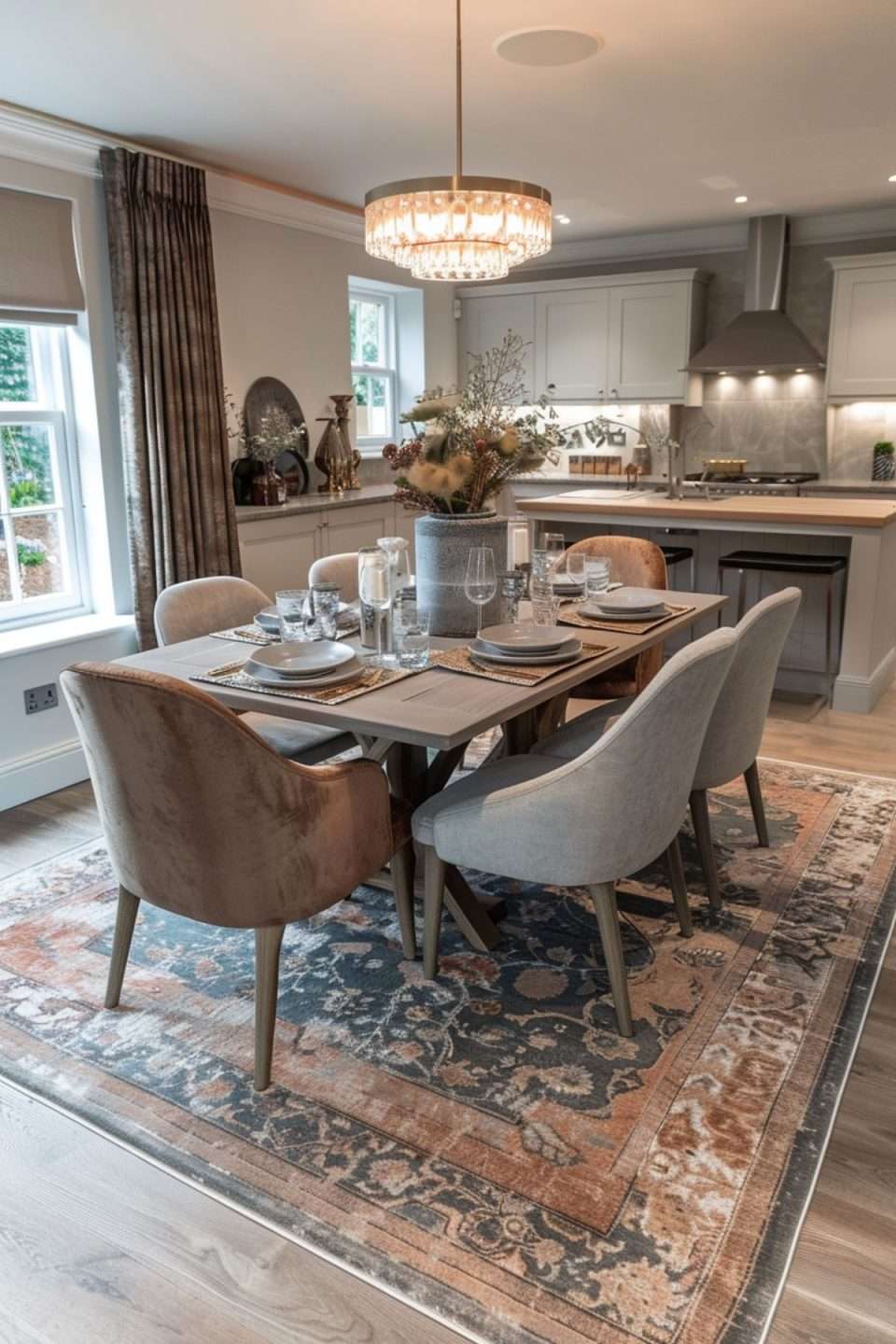
Many of us make the mistake of holding on to furniture that we don’t need. Crowded or poorly arranged furniture can feel confining, but a spacious layout creates a sense of freedom and mental clarity.
When creating your design layout, comfort is as important as functionality. For example, if your living room is small, you can consider multifunctional pieces of furniture such as folding tables. This will allow you to maintain a sense of space while still being accommodating when you have guests over.
Tips for a Better Layout:
- Clear Pathways: Arrange furniture so there’s plenty of room to move around without obstacles.
- Group for Connection: Position seating areas to encourage conversation and connection.
- Embrace Minimalism: Less is more—avoid overcrowding your rooms with too much furniture.
- Focus on Functionality: Consider how you use the space and design it to meet your needs, whether it’s for relaxing, working, or entertaining.
A well-thought-out layout makes your home feel spacious and harmonious.
4. Choose Colors Wisely

Color is a powerful design element that profoundly impacts emotions and mental health. Different colors evoke specific psychological responses, which is why mindful color choices are crucial for creating environments that support mental well-being.
A study on the impact of colors found that warm colors are viewed as stimulating while cool colors are seen as spacious and restful. For your living room, you can use soft pastels that pair easily with different types and styles of furniture while muted greens and blues are great for a bedroom because of their calming effect.
Mindful Color Choices:
- Blues and Greens: These natural hues promote calm and relaxation, making them perfect for bedrooms and living spaces.
- Soft Neutrals: Shades like beige, taupe, and gray create a cozy, grounded feeling.
- Warm Yellows: A soft yellow can add warmth and happiness without being too stimulating.
- Avoid Overstimulation: Steer clear of overly bright or clashing colors in areas meant for relaxation.
If you’re not ready to commit to painting an entire room, try adding color through pillows, rugs, or artwork.
5. Use Adjustable Lighting

Lighting plays an important role in the mood of a space. For instance, bright white light creates a more energetic atmosphere which makes it ideal for workspaces while soft, warm light creates a more cozy and relaxed mood which makes it ideal for your living room and bedroom.
Using adjustable lighting allows you to customize light intensity and color temperature to tailor your environment to suit your needs throughout the day.
6. Create a Multi-Sensory Experience

While most of us only focus on the visual aspect of interior design, you can introduce elements that engage other senses.
For instance, you can use a small tabletop fountain to bring the soothing sounds of flowing water into your home. The gentle trickling mimics natural streams, helping to reduce stress and create a calming ambiance.
You can also use a diffuser or even a flowering plant to introduce a gentle scent that is relaxing to the mind and elevates mood.
Our sense of smell is closely tied to emotions and memory, making scents a powerful tool for improving mental well-being.
How to Use Aromatherapy at Home:
- Essential Oils: Diffuse calming scents like lavender, chamomile, or eucalyptus.
- Candles: Choose natural, non-toxic candles with soothing fragrances.
- Fresh Flowers: Place bouquets of your favorite blooms in key areas to add a gentle, natural scent.
- Baking: Sometimes, the smell of freshly baked cookies or bread is all it takes to lift your spirits!
A pleasant-smelling home instantly feels more inviting and relaxing.
7. Create a Cozy Sanctuary

Your home should be a place where you feel safe and comfortable. Creating cozy nooks for relaxation can help you unwind after a long day.
Cozy Ideas:
- Layered Textures: Add soft blankets, plush cushions, and area rugs to make your space warm and inviting.
- Ambient Lighting: Use warm, dimmable lights, fairy lights, or candles to create a soothing atmosphere.
- Personal Touches: Display meaningful items like family photos, travel souvenirs, or favorite books to make the space feel uniquely yours.
Designing a cozy corner for reading, meditating, or simply sipping tea can give you a much-needed mental health boost.
8. Create Tech-Free Zones

While technology has its perks, too much of it can lead to stress and distractions. Designating tech-free zones in your home encourages relaxation and mindfulness.
Where to Go Tech-Free:
- Bedroom: Keep your bedroom a sanctuary by leaving phones, tablets, and TVs out of the space.
- Dining Room: Focus on family meals and conversations without the interruptions of screens.
- Living Room Corner: Dedicate a section of your living room to reading, journaling, or meditation, no gadgets allowed.
Adding non-digital entertainment like books, puzzles, or board games can help create a more balanced lifestyle.
9. Designate Spaces for Self-Care

Self-care is essential for mental health, so why not design your home to support it?
Ideas for Self-Care Spaces:
- Meditation Corner: Add a floor cushion, a small table for a candle or diffuser, and a few calming objects.
- Home Gym: Dedicate a corner for yoga, stretching, or light workouts.
- Bathroom Spa: Upgrade your bathroom with fluffy towels, a bath tray, and some relaxing bath salts to create a spa-like retreat.
Having designated spaces for self-care encourages you to prioritize your well-being and mental health.
10. Surround Yourself with Positive Energy

Finally, mindful home decorating is about creating a space that uplifts and inspires you. Fill your home with things that bring you joy and align with your values.
Ways to Invite Positive Energy:
- Use mirrors to reflect light and energy throughout your space.
- Incorporate symbols or items that have personal significance.
- Display affirmations, quotes, or artwork that inspire you.
Your home should feel like a reflection of the best version of yourself, a place that energizes and nurtures you.
Mindful home decorating is more than just a design trend, it’s a way to create a space that truly supports your mental health and well-being. By decluttering, incorporating calming colors, adding natural elements, and designing with intention, you can turn your home into a sanctuary where you feel relaxed, inspired, and at peace.
Disclosure: Some of the links above are affiliate links, meaning that at no additional cost to you, I will receive a very small commission if you click through and make a purchase. These links help to pay the editorial costs of writing a blog. For more information, please read my full affiliate disclosure here.
I also use Artificial Intelligence Image generators to create some of my images. These are to show you examples of my ideas and inspiration when I cannot produce the real images myself.


