
7 Essential Steps for a Successful Room Makeover

Who doesn’t dream of transforming their space into a haven of style and comfort, only to end up with a room that looks like a Pinterest board exploded?
Fear not, aspiring decorators! The secret to a successful room makeover lies in a few essential steps that ensure your vision becomes reality without breaking the bank, or your spirit.
Room Makeovers
Planning is the unsung hero of any room makeover, saving you from the dreaded “more effort, energy, and money than expected” syndrome. Before you dive into a sea of paint swatches and throw pillows, take a moment to declutter.
It’s like giving your room a fresh haircut, suddenly, everything looks clearer, and you can see the potential hiding beneath the chaos.
1. Define Your Vision

Conceiving a room’s new identity might feel as daunting as deciphering modern art, but fret not; it simply involves channeling your inner vision.
You should begin by imagining the room’s purpose. Perhaps a tranquil yoga retreat, a vibrant home office, or a cozy nook where snacks mysteriously disappear. Once roles are set, visual style takes the stage.
Determining your interior style might seem like dating all over again: love at first sight with mid-century modern or a slow burn for bohemian flair. You can test these interior styles in small commitments (commitment-phobic anyone?), like Pinterest boards or magazine clippings.
Online platforms dedicated to interior design such as home-hearted.com can also help greatly. Enthusiasts may even explore color palettes, where daring hues like avocado green claim their rightful place, or classic neutrals whisper soothing promises.

Next, establishing mood lighting isn’t just for romantic dinners; it’s about highlighting prized vases, because why buy them if not to marvel at them under designer lights?
You should also consider furniture reboots. Multifunctionality is key: a couch by day, secret storage by night, and on weekends, maybe even a karate practice mat.
By clearly defining their vision, you ensure that even the most mismatched throw pillow finds its soulmate, somewhere amid an eclectic interior design universe.
2. Assess Your Space
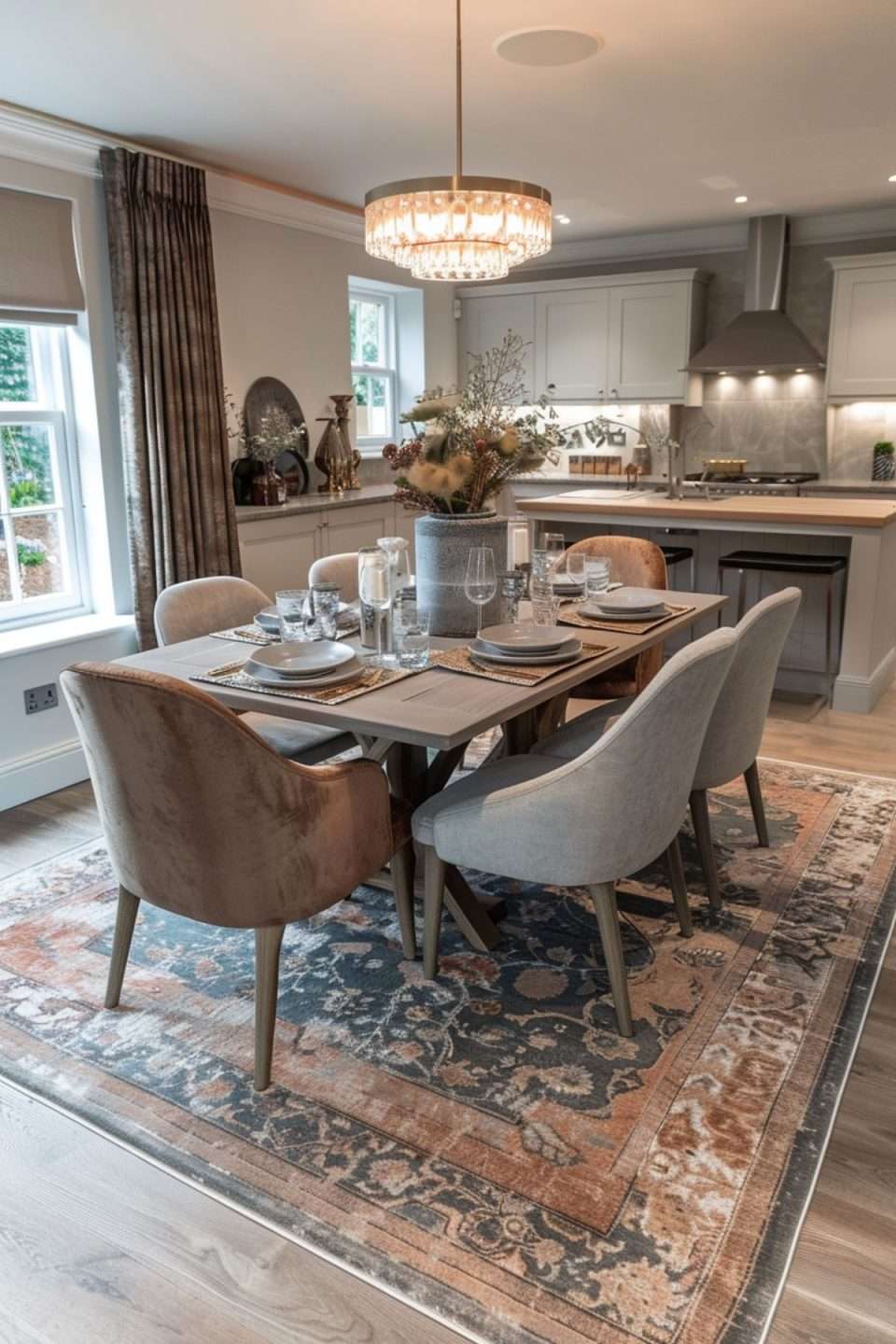
Understanding the current layout is crucial for any room makeover. Identifying the room’s strengths and weaknesses, like realizing you’ve got a talent for snapping selfies or singing in the shower, helps set realistic expectations.
For instance, decide which elements to keep, like the plush armchair perfect for reading or the giraffe-shaped lamp that adds character.
While plotting the floor plan, it’s essential to consider the flow of traffic.
Imagine a mini traffic controller in your head, ensuring no collisions in the middle of the room. Consider how people will move, avoiding obstacle courses better suited for a TV game show.

Daylight is another sneaky factor in room design. Look at how sunlight dances across the space (much like a cat chasing a sunbeam) and how it affects colors and moods.
Consider using this natural light to highlight the room’s features or keep certain areas in the shadows, just like hiding laundry under the bed.
Taking precise measurements can prevent future “why doesn’t this fit” moments. This step involves using a tape measure, not the old arm-span measuring trick that Grandma used.
Jot down measurements and reference them often, so your favorite new couch doesn’t become an unwieldy roommate.
Evaluate the space thoroughly, keeping humor in mind, so your makeover doesn’t morph into a sitcom about mismatched furniture or weird room layouts.
3. Choose Color Schemes and Materials

Choosing colors and materials sets the foundation for a room makeover. The right combination transforms a dull space into a vibrant abode or a calm retreat, depending on one’s mood, or lack thereof.
Pick Paint and Textiles
Paint influences a room’s ambiance more than it influences Picasso’s bank account.
- Start by taking a favorite textile swatch to a paint store like it’s on a luxury shopping spree.
- Pairing colors complements the inspiration piece, ensuring a match made in interior design heaven.
- Gather paint samples like you’re hoarding napkins at Taco Tuesday. Place swatches on the wall, not in your pasta, and observe them under different lighting.
- If indecision strikes, get mini paint cans and unleash your inner artist by testing colors directly on the walls. Honestly, who doesn’t love a home speckled with personalities?

Consider Flooring Options
Floors shouldn’t be ignored like gym socks on laundry day. Rethink existing floors or opt for new materials that suit the room’s purpose.
For high traffic, consider materials like hardwood or vinyl, resilient enough for a dance party or a troop of tap-dancing toddlers. Carpets and rugs offer plush elegance, doubling as landing pads for those Sundays spent hopping like a kangaroo.
Choose interior styles and colors that coordinate with the room to avoid looking like a color-blind bingo hall. Flooring is the stage for your room’s grand performance, and everybody needs a little drama.
4. Prioritize Lighting and Ambience

Lighting plays a pivotal role in transforming a room’s vibe. It’s like the secret ingredient in a recipe, leave it out, and it’s just bland soup.
Adding fun and aesthetic lighting brightens any room. String lights, projectors, or desk lamps bring personal flair to space.
A well-lit room not only lets you see the pizza stain on the couch but also creates a mood. Functional fixtures or ambient lighting should match the room’s interior style.
Warm tones and string lights create a soft, feminine feel, while bold colors and neon signs introduce an edgy touch. Imagine a galaxy room projector turning your ceiling into a walk-in planetarium. It’s instant ambiance, no astronaut training needed.
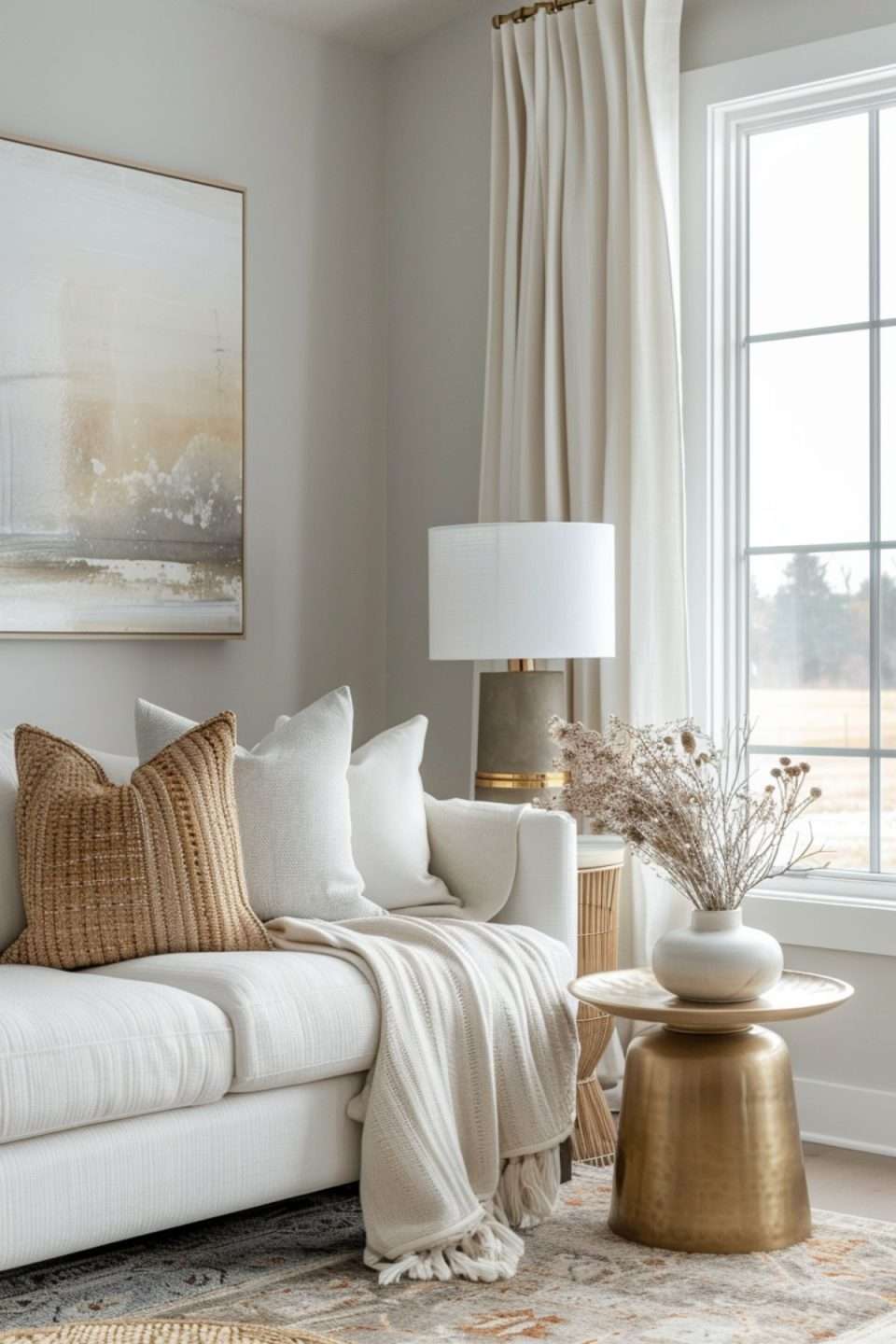
Layering various light sources, like task lighting, can highlight nooks or display collectibles, like that impressive troll doll collection. Using wall sconces, floor lamps, and table lamps strategically boosts both interior style and visibility.
Consider IKEA, where the meatballs are legendary, and the lighting’s not too shabby either.
A blend of natural and artificial lighting, along with smart placement, keeps things fresh. For a dramatic finale, LED strips line edges and corners delivering ambiance straight from the future.
The right lighting ensures even if the room’s furniture resembles a yard sale, the vibe still screams “Pinterest-perfect”.
5. Select and Arrange Furniture

Choosing furniture involves more than just picking the shiniest objects in the showroom. It’s about creating a cohesive look while ensuring comfort, functionality, and just the right amount of pizzazz.
The sofa should be your room’s trusty sidekick, not its awkward third wheel. For example, opting for a versatile sectional can define a seating area while doubling as a cat jungle gym.
Arranging furniture is akin to a dance routine, where balance and flow are key. Picture a living room where the couch and the coffee table waltz together, leaving enough room for others to cut in without tripping over a runaway ottoman.

Large pieces like beds or sofas should anchor the space, while smaller items like side tables or chairs can freestyle around them without cramping their style.
Creating conversation areas adds intimacy and allows for spontaneous discussions about how aesthetically pleasing the room looks now. In a dining room, the table should be the star of the dinner party, with chairs forming its crew of comedic co-stars.
For bedroom setups, consider Feng Shui principles or just avoid lining everything up like furniture soldiers, ready for inspection.
To prevent a stampede of mismatched pieces, it’s best to choose furniture that aligns with the room’s purpose and interior style. Multifunctional items, such as storage benches, can perform double duty, keeping clutter at bay while offering extra seating.
Remember, a well-arranged room design is like the perfect joke, timing and placement make all the difference.
6. Add Decorative Elements
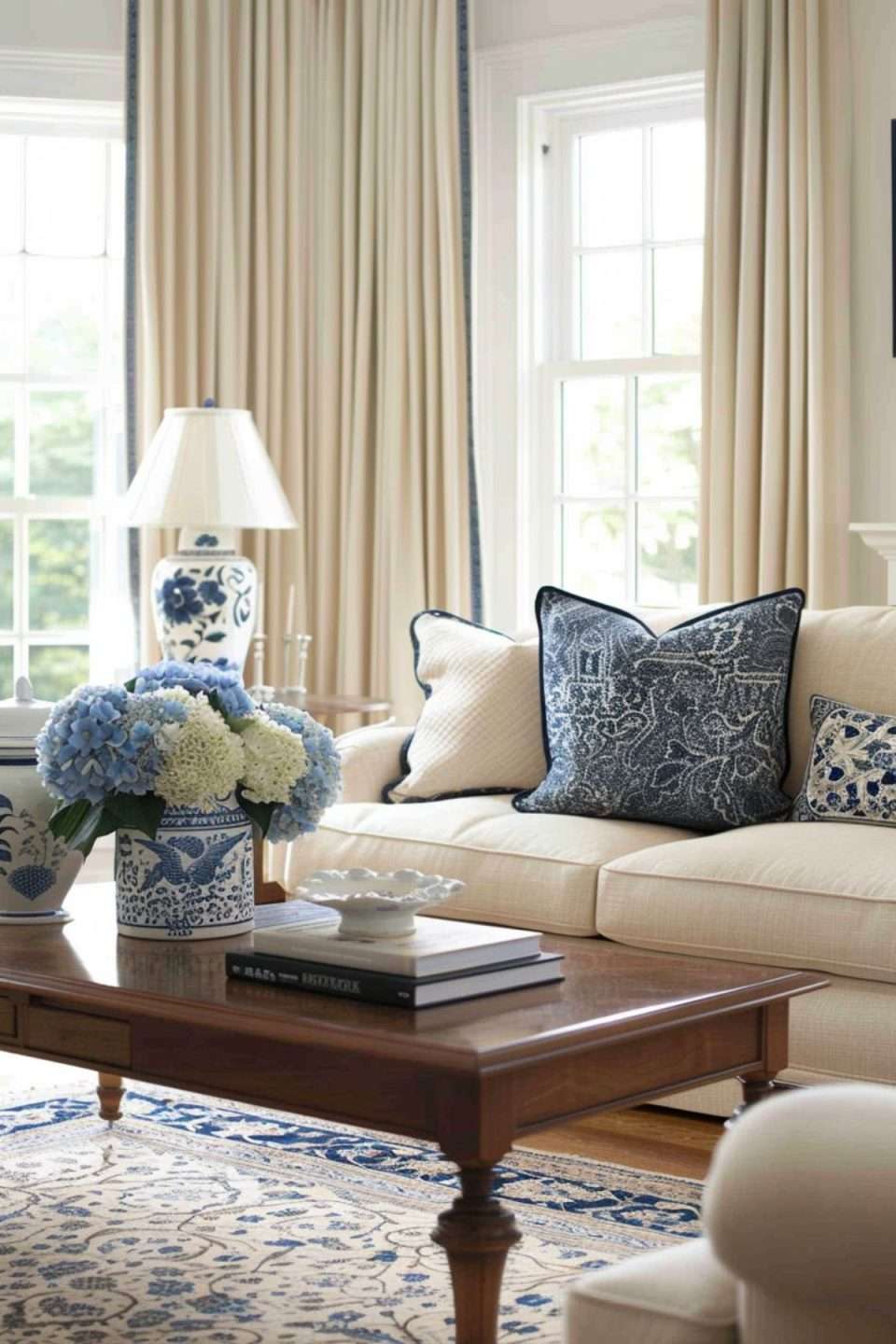
Decorative elements add flair and personality, ensuring a room’s character aligns with its owner’s sophistication—or wild spirit. Special touches transform bland spaces into dazzling showcases or quirky retreats, depending on preferences and mood swings.
Incorporate Textures and Patterns
Textures and patterns add depth, creating visual jazz bands that keep things lively. Throw pillows sporting obnoxious zebra stripes or avant-garde polka dots can break the monotony.
Rugs with intricate weavings offer tactility and sass, while wallpaper featuring tropical leaves spruces up plain walls. Faux fur throws scream comfort during alone movie marathons, and metallic accessories feel like instant mood elevators.
Mixing materials gives an eclectic vibe, ensuring no decorative stone goes unturned.

Add Accessories and Finishing Touches
Accessories give rooms personality, like those props that actors can’t live without.
- Funky lampshades might tickle curiosity, while books stacked in creative arrangements speak volumes about taste—or possibly lack thereof.
- Wall art sets the mood; abstract pieces provoke thought, while vintage posters evoke nostalgia.
- Clocks and vases serve as functional flair, chiming the hour and holding flowers without hogging the limelight.
- Incorporating mirrors expands space perception, helping even closet-sized rooms feel like grand ballrooms.
- Quirky doorstops and artsy coasters seal the deal, leaving no corner unfabulous.
7. Organize for Functionality

Arranging items in a room often feels like conducting a symphony orchestra. Every object demands a perfect spot to create harmony.
Shelves become VIP seating for books, while baskets hide cord spaghetti. Labeling boxes can morph a chaotic closet into an organized oasis. Clear labeling isn’t just for jars; it reduces the odds of mystery sock disappearances.
Furniture joins the organizational orchestra as multifunctional virtuosos.
Ottomans perform the dual roles of stylish seating and secret storage. Beds with drawers swallow blankets and sheets with panache. Functionality triumphs when even the tiniest accent table reveals a hidden drawer.
Clever use of wall space transforms plain walls into vertical storage superstars. Hooks go on an accessory party spree, and pegboards become tool fashionistas.
Keeping items off the floor doesn’t just de-clutter; it stages a red carpet event for flooring.

Technology assists in maintaining room harmony, with charging stations preventing a tangled mess of cords. Remote organizers save the day, corralling remotes that prefer hide-and-seek to organization.
By mastering organizing skills, anyone can turn a chaotic room design into a functional masterpiece.
With these essential steps, anyone can transform their room from drab to fab without breaking a sweat—or the bank. By embracing the chaos of clutter, defining a vision, and strategically planning your space, even the messiest of spaces can become a stylish sanctuary with thoughtful room design.
Disclosure: Some of the links above are affiliate links, meaning that at no additional cost to you, I will receive a very small commission if you click through and make a purchase. These links help to pay the editorial costs of writing a blog. For more information, please read my full affiliate disclosure here.
I also use Artificial Intelligence Image generators to create some of my images. These are to show you examples of my ideas and inspiration when I cannot produce the real images myself.


